Why Medical Conferences Are Different
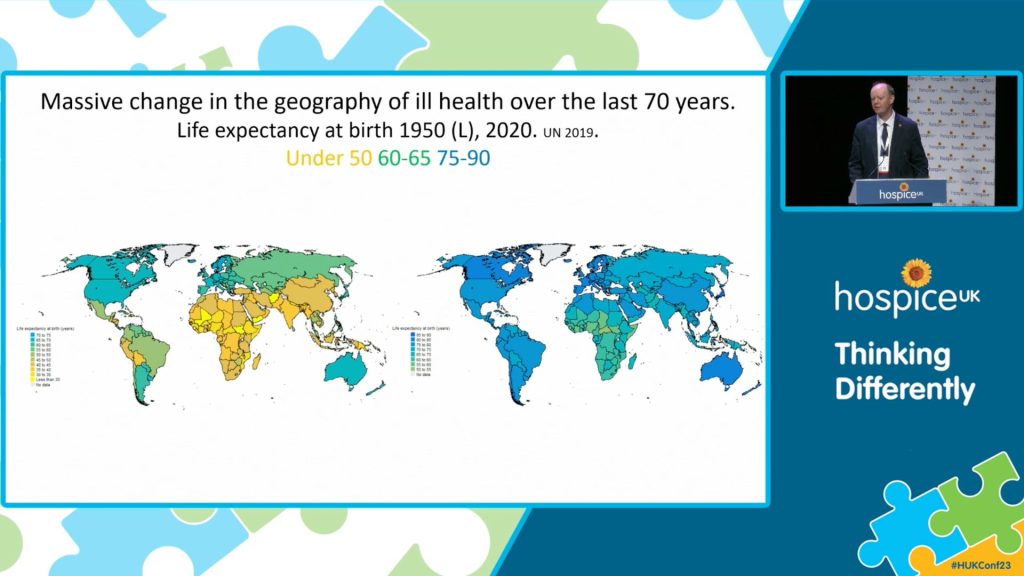
Medical and healthcare conferences occupy a unique space in the events world. They must be simultaneously rigorously professional — meeting the standards expected by the those in the medical event sector, specialist societies, and CPD accreditation bodies — while also being accessible, engaging, and technically flawless for expert and trainee audiences alike.
Add to this the specific requirements of medical content — clinical imagery, live procedure demonstrations, multi-disciplinary parallel sessions with quick-fire free papers, abstract poster areas, and interactive Q&A — and it becomes clear why medical events demand a production partner with genuine sector expertise, not just general AV capability.
At Talking Slides, medical conferences form a core part of what we do. We’ve been working with medical associations, royal colleges, and specialist societies for over 26 years, and our MediviewHD service is dedicated entirely to medical broadcast and recording.
The Key Elements of Medical Conference Production
1. Professional AV in the Conference Rooms
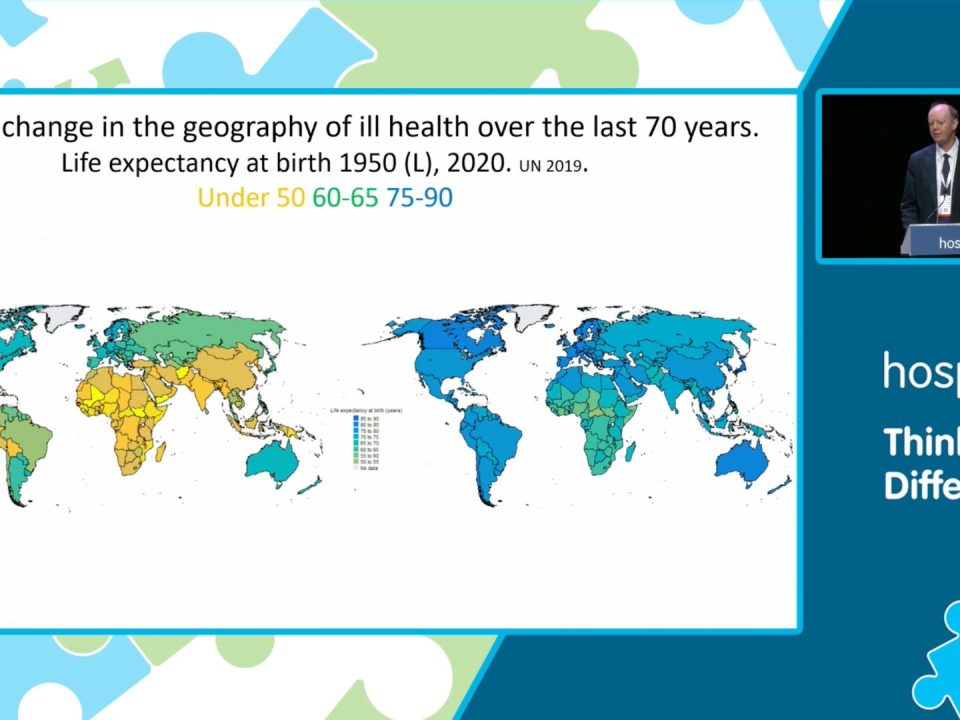
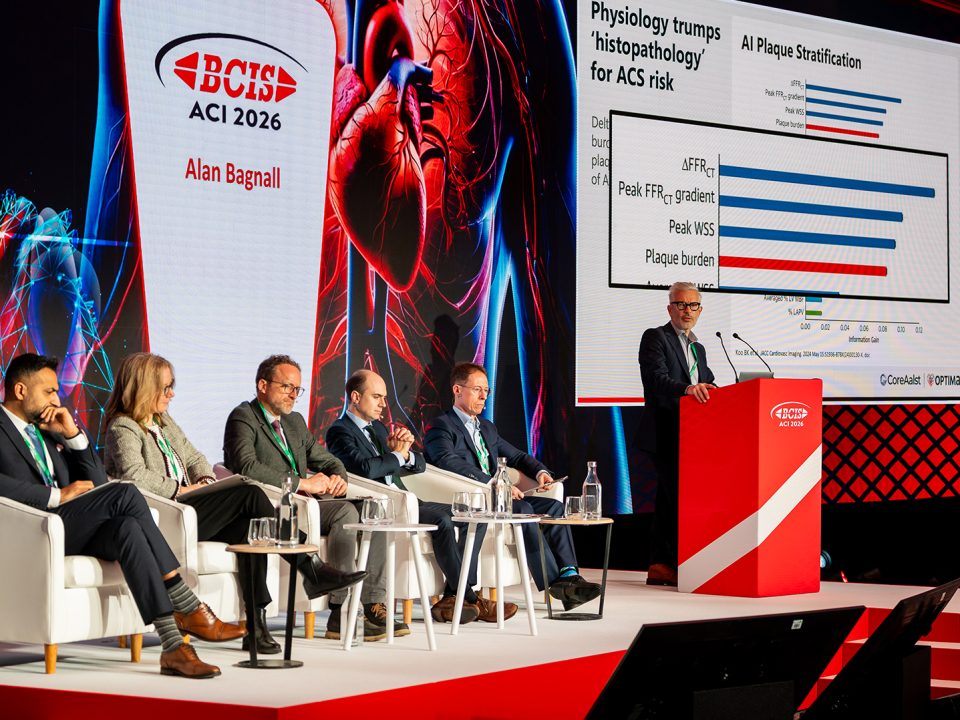
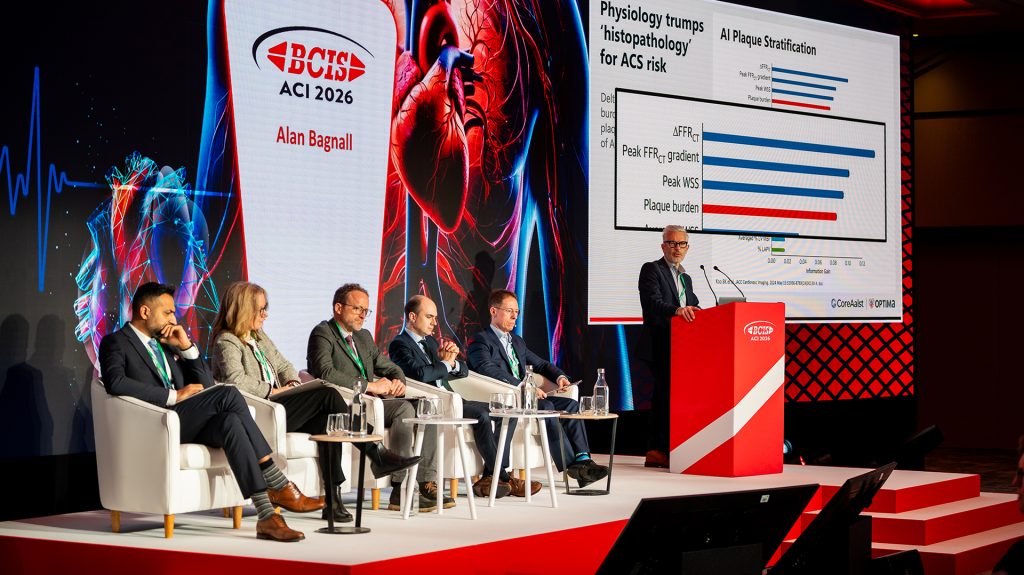
The foundation of any medical conference is reliable, professional audio-visual production in each session room. This means clear sound reinforcement for speakers and panellists, high-quality displays for presentation content (including medical images and video), and high quality recording.
For multi-room events — which are common in medical conferences, where simultaneous specialty tracks run in parallel — this means managing multiple complete AV setups simultaneously, with a coordinated technical crew and a shared presentation management system accessible from all rooms.
2. Specialist Medical Broadcast and Recording
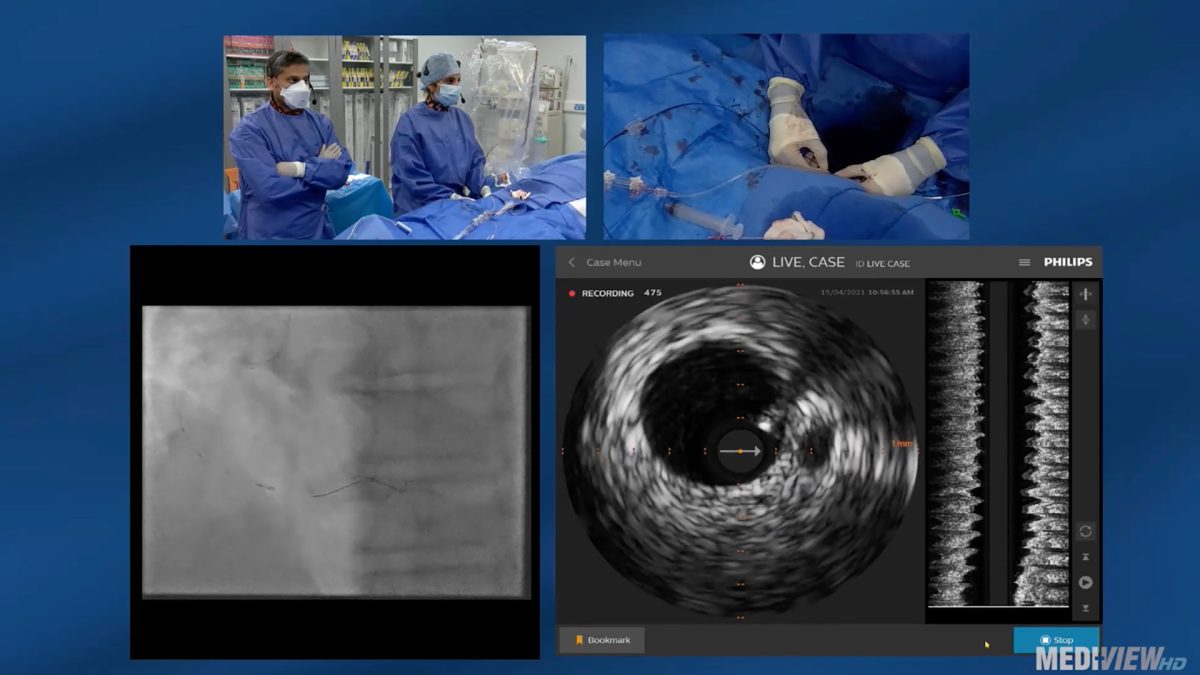
Many medical events include live demonstrations of clinical procedures — everything from minimally invasive surgery to cadaveric workshops, ultrasound techniques to orthopaedic procedures. These require very different capabilities from standard conference recording.
Our MediviewHD service has been designed specifically for this purpose. We use broadcast-quality cameras configured for clinical environments, with remote pan-tilt-zoom capability that allows unobtrusive filming without a camera operator in the sterile field. We can integrate feeds from surgical cameras, endoscopes, and anaesthetic monitors to create a composite broadcast that captures every relevant clinical view.
3. Live Streaming for Remote Delegates
Medical associations increasingly need to extend their conferences beyond the physical venue. Whether it’s making CPD-accredited sessions available to colleagues who couldn’t attend, allowing international faculty to present without the cost and carbon of long-haul travel, or recording content for on-demand access — live streaming is now a standard expectation at most medical events.
Our Talking Slides Platform is well-suited to medical events specifically. It includes a custom-designed portal matching the event’s branding, integrated Q&A and polling, CPD assessment tools, and certificate generation — all in one place.
4. CPD Assessment and Certification
Continuing Professional Development accreditation is fundamental to the value proposition of most medical conferences. Delegates need to be able to demonstrate attendance and, in many cases, pass a knowledge assessment to claim their CPD points. Our platform handles this natively, with customisable assessment tools and automatic certificate generation that integrates with the event’s registration data.
5. Digital Poster and Abstract Areas
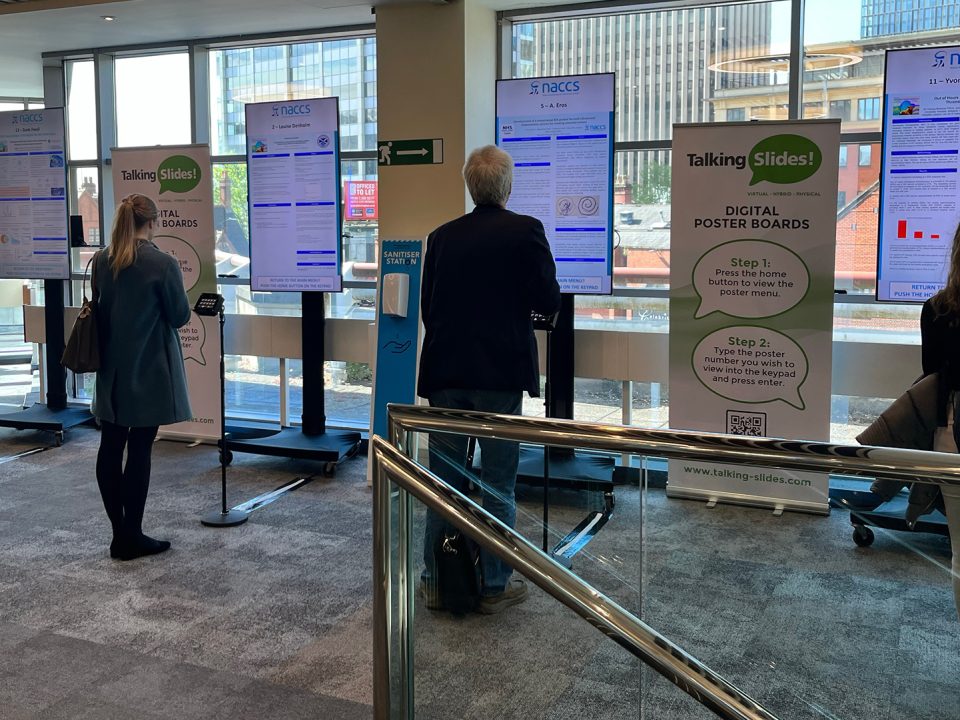
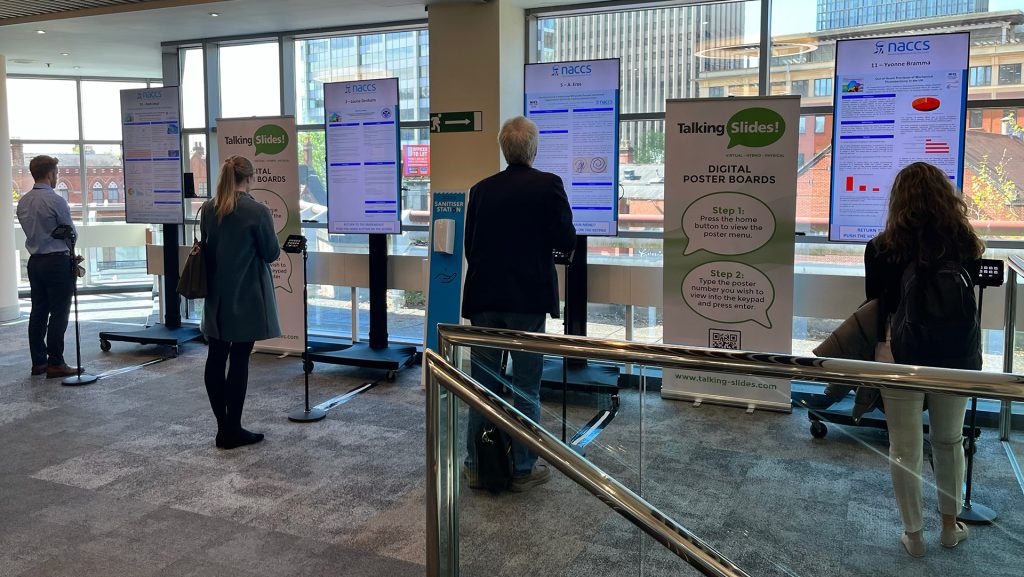
Academic medical conferences traditionally include a poster presentation session, where researchers and clinicians display their work for peer review and discussion. Our 4K digital poster boards replace traditional printed posters with dynamic, high-resolution displays that are easier to update, more visible in a busy exhibition hall, and significantly more sustainable.
Our virtual poster area on the Talking Slides Platform also allows abstract submissions to be presented online — browsable, searchable, and commentable by delegates both in person and remotely.
6. Speaker Management
Medical conferences often involve large numbers of speakers — many of them busy clinicians presenting between patient commitments, with slides prepared at the last minute and variable levels of technical confidence. Providing a dedicated speaker preview room, staffed by a calm and experienced technician who can take a presenter’s slides, check the formatting, and give them a quick run-through before they go on stage, is an essential service that makes a tangible difference to the quality of the event.
Virtual and Hybrid Medical Conferences
The pandemic accelerated the adoption of virtual and hybrid formats in medical education, and many associations have discovered genuine benefits that go beyond necessity. Virtual study days in particular have become a staple format — allowing smaller, more focused educational events to reach a national audience without the cost and travel burden of a physical venue.
Our virtual studios are specifically designed for medical content, with the facility to incorporate clinical imagery, video clips, and remote expert speakers in a seamless, professional broadcast format.
Choosing the Right Medical Conference AV Partner
When evaluating AV and production partners for a medical conference, the key questions to ask are:
- Do you have specific experience with medical conferences and clinical broadcast?
- Can you handle multi-room events with parallel specialty tracks?
- Do you offer integrated CPD assessment and certificate generation?
- Can you provide specialist medical broadcast capability for live procedures?
- Do you have a dedicated speaker preview area and speaker management service?
- What is your plan if the internet connection fails during a live stream?
At Talking Slides, we can answer yes to all of these — and we’re always happy to discuss the specific requirements of your event.