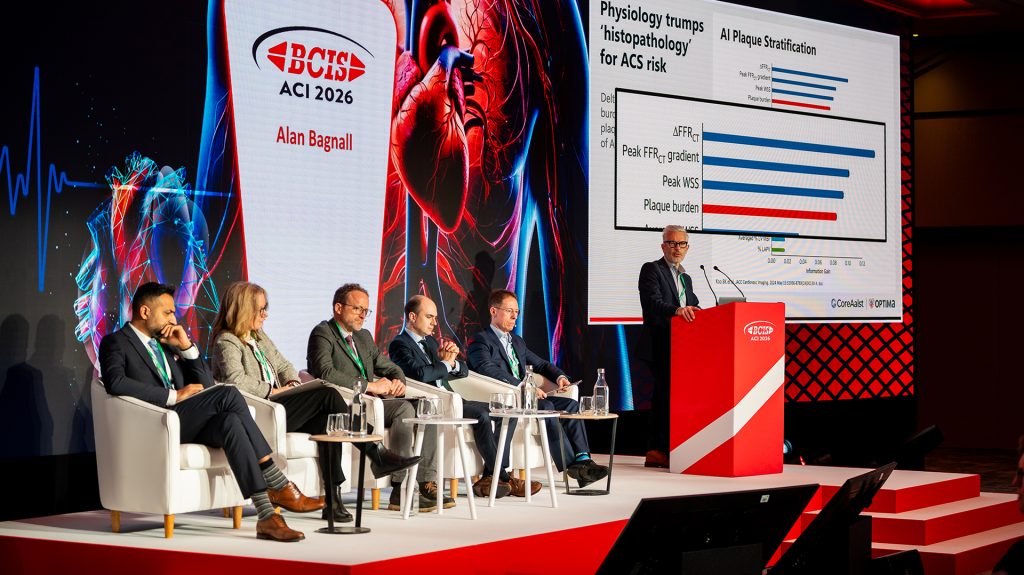
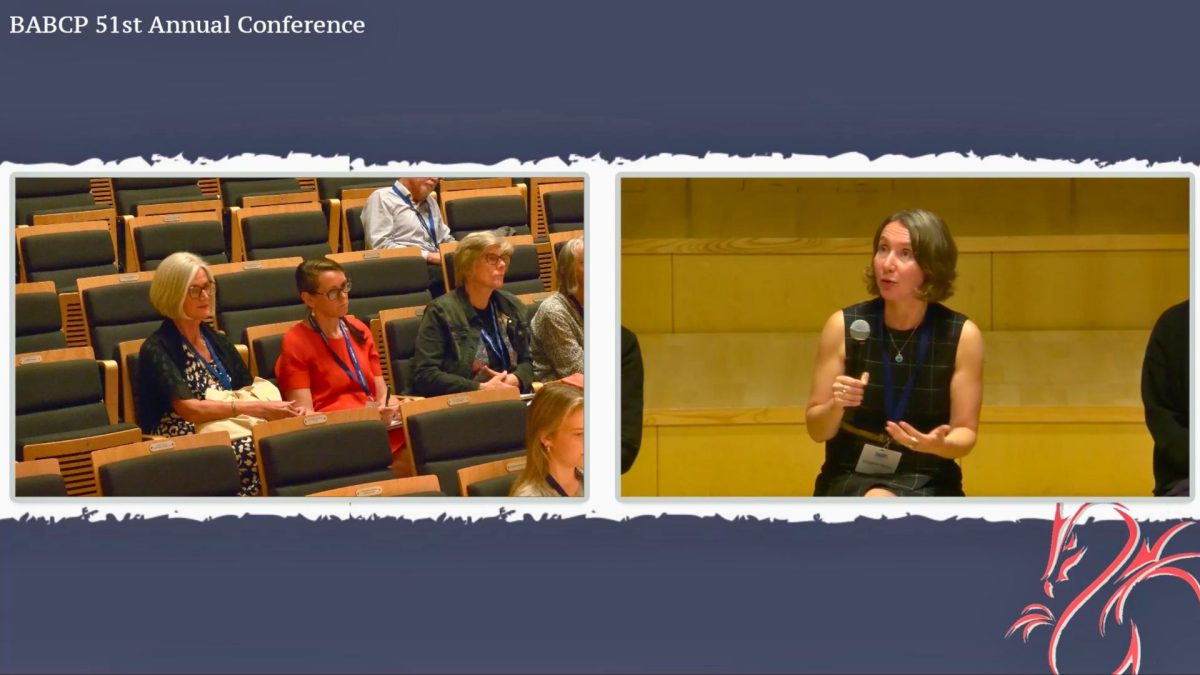
Hybrid medical conferences remain a staple format for professional education, collaboration, and knowledge sharing. They offer the flexibility of online access, also reaching international audiences, while preserving the value of face-to-face discussion and networking. However, delivering a successful hybrid medical event requires careful planning, robust technical delivery, and a clear understanding of both onsite and remote audience needs.
Based on our experience supporting medical societies, academic institutions, and professional associations, this step-by-step guide outlines the key stages involved in delivering a hybrid medical conference that runs smoothly and engages all delegates equally.
Step 1: Define the Purpose and Format of the Event
Before any technical decisions are made, it is important to clearly define the objectives of the conference. This includes understanding:
- The primary audience, such as clinicians, researchers, trainees, or industry partners
- Whether the event is focused on education, research presentation, governance, or collaboration
- How delegates are expected to interact, including Q&A, panel discussions, poster sessions, or workshops
Establishing this early helps shape decisions around venue size, streaming requirements, platform functionality, and speaker support.
Step 2: Choose the Right Venue and Technical Setup
The physical venue and your AV supplier must support the technical demands of a hybrid event. Reliable internet connectivity, suitable lighting and a seamless AV production are essential.
From a production perspective, this typically includes:
- Professional cameras positioned to capture speakers and panel discussions (as well as audience pick up during Q&A if you’d like!)
- High-quality audio and high definition visuals to ensure clear receipt of your conference content for both your physical and online audiences
- Dedicated internet connectivity to avoid reliance on shared venue networks
- AV infrastructure that allows seamless switching between speakers, presentations, and remote contributors
- A mutual Q&A system, such as Sli.do, that can be used by both sets of your delegates, essentially ‘glueing’ them together providing equal asking power during presentations
A site visit and technical rehearsal are strongly recommended to identify any limitations and ensure everything is in place well before the event begins.
Step 3: Select a Secure and Appropriate Online Platform
For medical conferences, platform choice is particularly important. In addition to ease of use, the platform must support confidentiality, controlled access, and structured participation.
Key features often include:
- Secure login for registered delegates
- Live and on-demand session access
- Integrated Q&A and moderated discussion
- Poster presentation hosting
- Speaker and session scheduling
- Sponsorship opportunities
The platform should complement the live event rather than distract from it, allowing online delegates to follow proceedings clearly and participate confidently.

Step 4: Prepare Speakers for Hybrid Delivery
Speaking to a hybrid audience is different from presenting to a physical room alone. Speakers and chairpersons should be provided with guidance to ensure their delivery translates effectively to both audiences.
This preparation may involve:
- Technical briefings on microphones and cameras – it’s tempting for microphones not to be used if the physical audience/room is on the smaller slide, but mics must be used for the online audience to hear
- Familiarisation for remote presenters to check audio, lighting, and internet stability
- Clear instructions on timing, Q&A handling, and session flow
Providing this support in advance helps speakers feel comfortable and reduces the risk of disruption on the day. Our team not only produce the event, but ensure your active participants are fulled briefed.
Step 5: Manage Live Sessions and Audience Interaction
During the conference, the experience of both audiences should be managed in parallel. This requires coordination between the live production team, platform moderators, and session chairs.
Best practice includes:
- A dedicated moderator to manage online questions and relay them to the chair
- Clear communication between technical teams and session leads
- Consistent session transitions to avoid delays or confusion
- Real-time monitoring of audio, video, and stream stability
A calm, structured approach ensures the event runs smoothly even when unexpected issues arise.
Step 6: Record and Deliver On-Demand Content
One of the major benefits of a hybrid conference is the ability to provide post-event access. Recording sessions allows delegates to revisit content and supports those unable to attend live.
On-demand delivery typically includes:
- Edited session recordings
- Access through the conference platform
- Time-limited availability aligned with organisational policies
- Optional analytics on engagement and viewing patterns
This extends the value of the conference well beyond the live dates.
Delivering Hybrid Medical Conferences with Confidence
Running a hybrid medical conference is a complex process, but with the right planning, technical support, and experience, it can be delivered with confidence and clarity.
A considered approach ensures that both onsite and online delegates receive a professional, engaging experience that reflects the importance of the subject matter and the organisation hosting the event.
Speak to us on how we can assist in delivering your hybrid conference or meeting today!